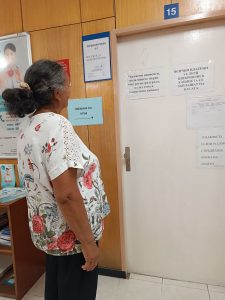
The team of InterFamily Clinic, together with Advent Relief (USA), has successfully completed a mobile health outreach program for residents of the Radvanka neighborhood in Uzhhorod. Traditionally focused on supporting internally displaced persons (IDPs), this initiative also expanded its reach to the local Roma community, helping bring essential healthcare services closer to those with limited access.
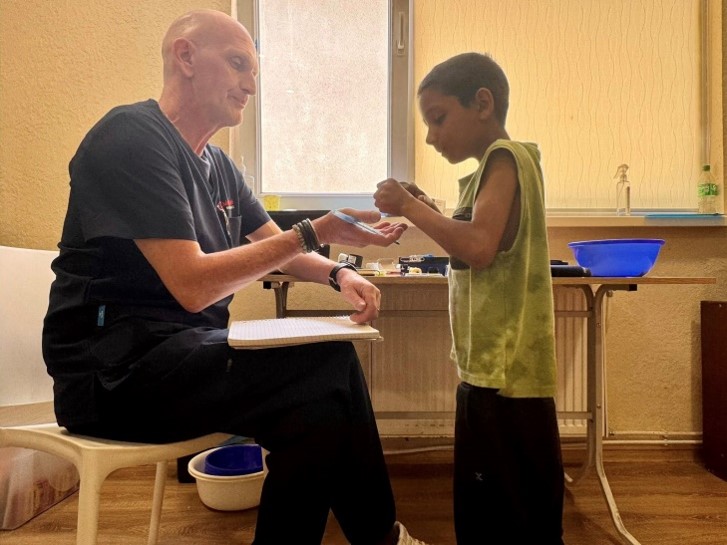
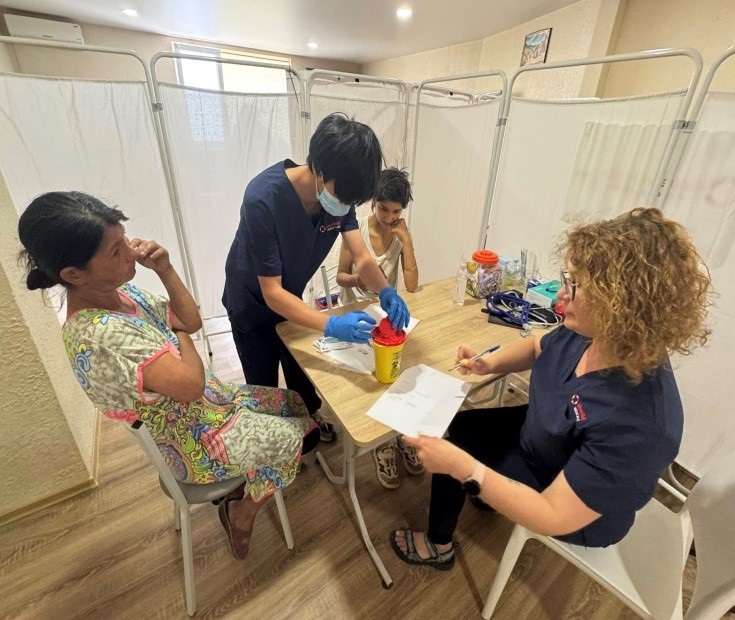
For nearly a week, doctors, volunteers, students, and medical residents, together with volunteers from Advent Relief, worked side by side to create a fully functioning mobile clinic outside the traditional healthcare setting. The project demonstrated that quality medical care is defined not by buildings, but by the knowledge, professionalism, and commitment of the people providing it. Beyond providing immediate support, the initiative also offered valuable hands-on experience for students and interns, helping prepare the next generation of medical professionals.
During the program, the team delivered primary healthcare services, conducted medical examinations, and supported patients living with chronic conditions such as diabetes and hypertension. Healthcare professionals also provided disease screening, adjusted treatment plans when necessary, and referred patients to specialists to ensure continuity of care.
Prevention was a key focus of the initiative. The team used the CheckMe program, developed through the European projects ShowUp4Health and MIMiND, to assess health risks and create personalized, evidence-based prevention plans for patients.
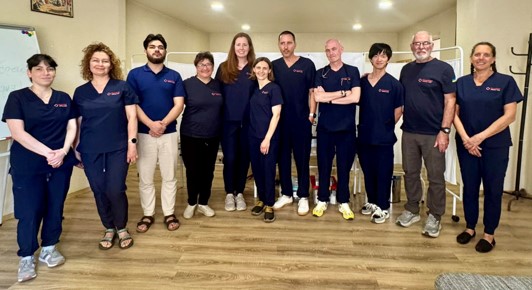
Together, we once again proved that care knows no borders and that healthcare can be brought closer to people, regardless of circumstances.
A Message from Advent Relief (USA)
„Our team in Ukraine has spent the last several weeks conducting highly successful community health programs in an underserved community in Western Ukraine with limited access to healthcare. With more than 600,000 internally displaced people (IDPs) now living in Western Ukraine, local healthcare services continue to face significant pressure.
This program was made possible through our partnership with Dr. Pavlo Kolesnik and the outstanding teams at InterFamily Clinic and InterFamily Space. We are deeply grateful to our volunteers, especially Jessica Wyman from House of Compassion, for helping make this initiative a success.
We look forward to continuing our work together to improve access to healthcare for vulnerable communities across Ukraine.”
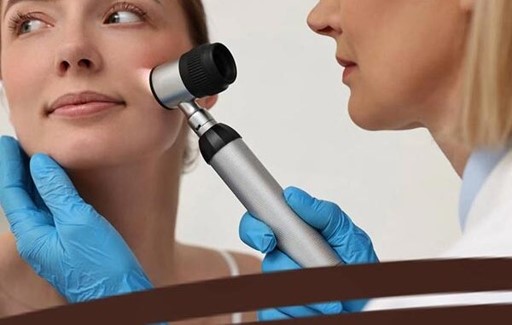
As part of the annual Melanoma Day initiative, the “InterFamily” Clinic organized a large-scale public health campaign in Uzhhorod aimed at raising awareness about skin cancer prevention and promoting the early detection of melanoma. The event was held with the support of the Uzhhorod City Council, La Roche-Posay, volunteer physicians, medical students, and interns. Six outdoor screening tents were set up across the city, providing free skin examinations to residents.
More than 550 people underwent screening during the campaign. Medical specialists identified numerous suspicious skin lesions requiring further examination and, where necessary, timely treatment. Early detection significantly increases the chances of successful treatment, making such initiatives an important contribution to public health.
In parallel with the screenings, participants were invited to take part in surveys conducted within the framework of the European projects ShowUp4Health and MIMIND. Visitors also received information about the “Health Screening 40+” program and other preventive healthcare opportunities available in the region.
Particular interest was generated by the CheckMe program, which helps individuals create personalized screening plans for the most common hidden diseases and health risks.
InterFamily Clinic extends its sincere gratitude to all physicians, students, volunteers, partners, and supporters whose dedication helps make preventive healthcare more accessible to the community. Through collaboration and public engagement, initiatives like Melanoma Day continue to encourage early diagnosis, improve health awareness, and contribute to better health outcomes for everyone.
https://www.instagram.com/reel/DY-T72Extcd/?utm_source=ig_web_button_share_sheet
The ShowUp4Health project is proud to have contributed to the development of the new policy brief “Stronger Together: European Collaboration to Center Health Equity in Cancer and Other NCD Prevention”, published within the framework of JA PreventNCD.
Representatives of the ShowUp4Health consortium participated in the collaborative drafting process, contributing perspectives and experiences related to health equity, vulnerable populations, and community-based prevention approaches.
The policy brief underlines the importance of stronger European collaboration in addressing inequalities in cancer and non-communicable disease prevention — fully aligned with the mission and objectives of ShowUp4Health.
Read the full policy brief here: https://www.preventncd.eu/resources/policy-briefs/stronger-together-european-collaboration-to-center-health-equity-in-cancer-and-other-ncd-prevention/
Related social media posts:

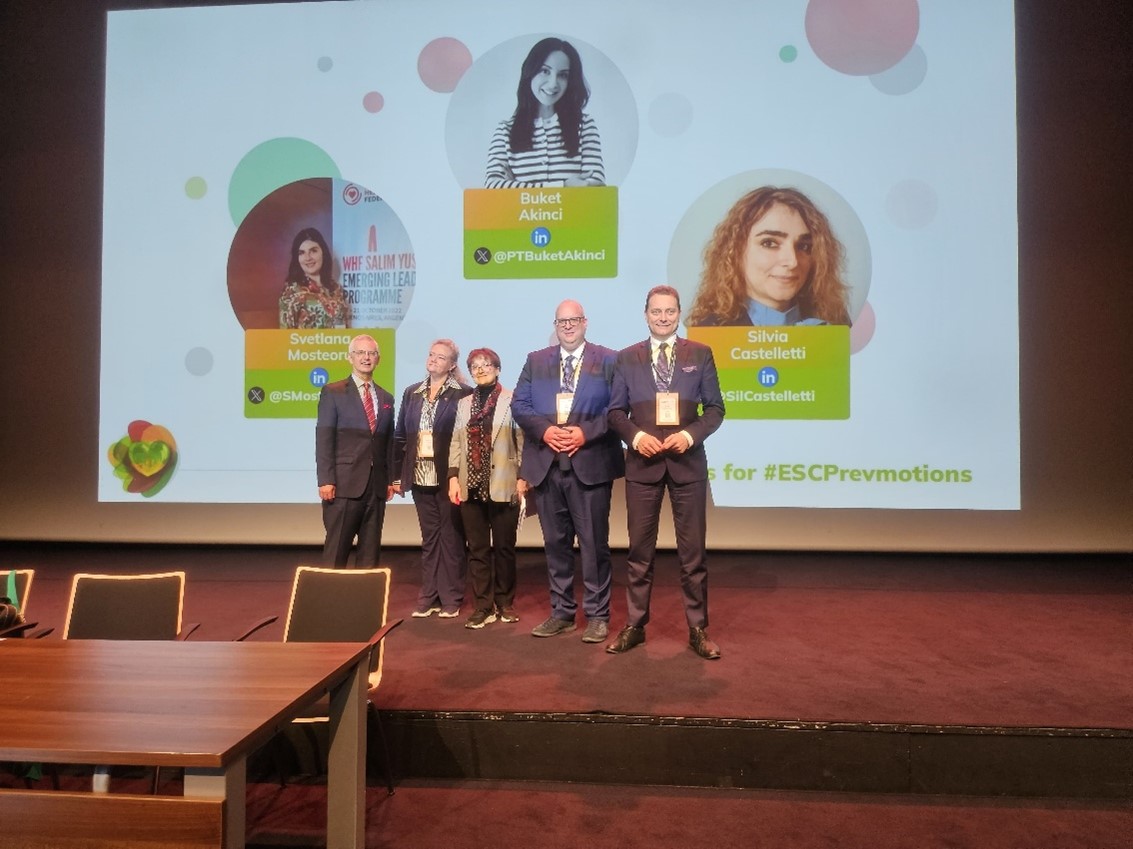
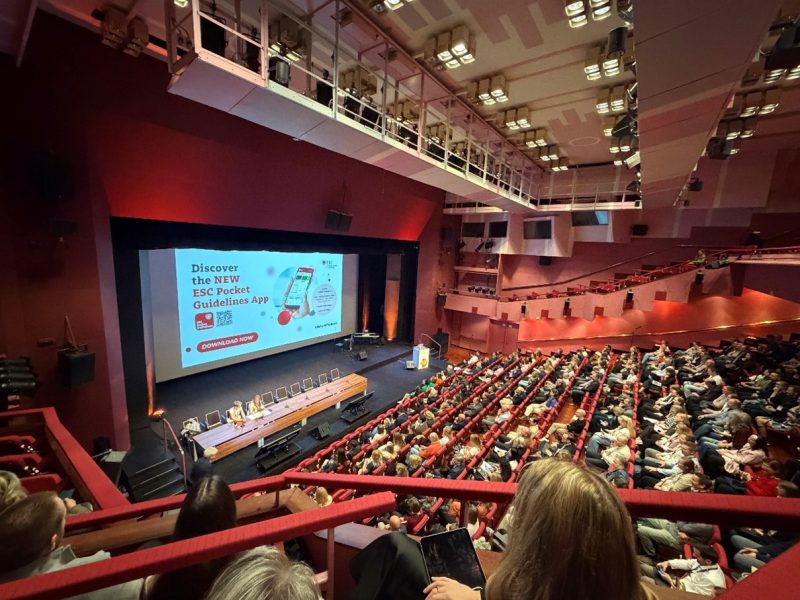
Mr. Ferenc Nagy, Medical Director of the Hungarian Charity Service of the Order of Malta, represented the organization and the ShowUp4Health (S4H) project at the ESC Preventive Cardiology 2026 conference held in Ljubljana under the auspices of the European Society of Cardiology. The prestigious international event focused on the latest approaches and practices in cardiovascular disease prevention. More information about the conference is available here:
https://www.escardio.org/Congresses-Events/Preventive-Cardiology
As part of a case-based session on community-level cardiovascular risk factor management, Mr. Nagy delivered a presentation entitled “Serving the underserved: ShowUp4Health”. Drawing on the project’s experience, he highlighted best practices in public health interventions that effectively reach disadvantaged and often underserved populations.
A key message of the presentation was that engaging vulnerable groups in healthcare requires integrated, community-based approaches. The ShowUp4Health project demonstrated how targeted screening and prevention programmes can help reduce health inequalities, particularly among populations that are traditionally difficult to reach through conventional healthcare systems.
The conference provided an excellent platform for international knowledge exchange and for strengthening professional collaborations in the field of preventive cardiology. The presentation of ShowUp4Health contributed to raising awareness of community-based health promotion models within the global professional community.
The event was formally opened with welcoming remarks in which the organisers emphasised the importance of improving access to health and social services for vulnerable groups, particularly Roma communities and internally displaced persons (IDPs). The opening speeches highlighted that the real strength of the partnership lies in mutual learning and the exchange of experience, which form the basis for sustainable and scalable solutions.
The first day was devoted to evaluation. Under Work Package 1 the functioning of the APC process and the overall collaboration within the consortium were reviewed. As part of Work Package 3, the Hungarian Maltese Charity Service presented its integrated programme for segregated settlements. This presentation was directly linked to Deliverable D3.5, since the work showcased during the workshop laid the foundation for the development of the WP3 strategy and toolkit. The presentation began by describing the different types of segregated areas and went on to illustrate a range of local models developed in Tarnabod, Monor, Pécs, Táska, Gyulaj and Veszprém. These interventions combine housing, employment, education and community development to support the long-term integration of disadvantaged groups. In the afternoon, Work Package 2 hosted a methodology workshop where partners worked together in an interactive session to define the desired structure and content of the methodology chapter. The joint work resulted in a set of expectations for a methodology that is simple, clear, practical, sustainable and easily adaptable, guiding the reader step by step from situation analysis and problem definition through target group involvement to the measurement of results. The day concluded with the evaluation of Work Package 5, where the framework for monitoring and evaluation was presented. Discussions underlined the necessity of establishing unified indicators and KPIs in order to make pilots comparable and transferable in later phases.
The second day focused on co-design and sharing experiences. During the plenary session, each partner presented the difficulties encountered in their own pilots, explained which stakeholders they worked with, and gave advice to one another. This was followed by pilot presentations which demonstrated tangible results. In Slovenia, ten health mediators had been identified to work with Roma communities, supporting participation in national NCD screening programmes; a communication campaign and adapted promotional materials were also prepared. In Bulgaria, the HESED pilot had trained seventy-two professionals, collected over two hundred and thirty questionnaires through digital tools, participated in Sofia’s anti-hypertension campaign by supporting fifty-six people to attend cardiology consultations, and launched screenings in four Roma communities. In Romania, the SAMR pilot trained mediators and carried out its first screening in Örkő with ninety-eight participants, which included blood pressure, BMI and glucose measurements as well as ophthalmological and orthopaedic checks. Despite operating in wartime conditions, the Ukrainian InterFamily pilot provided care for over three thousand patients, introduced the “Check Me” digital screening platform, and offered tailored support for elderly IDP patients.
At the end of the day, participants visited Miercurea Ciuc to see the SAMR social programmes. The field visit included a Roma settlement and the community centre built nearby, where the local team presented their social and educational activities. This on-site experience confirmed that community presence, combined with integrated social and health services, is essential for successful integration.
The third day was dedicated to stakeholders. Representatives of municipalities, government agencies and health institutions shared their perspectives, particularly on the opportunities and challenges of integrated social and healthcare provision. A highlight of the day was the presentation of the results of children’s ophthalmological screenings. Over the past three years, more than 2,600 children were examined, and 688 of them were re-tested. The findings showed that hyperopia is dominant in this age group, while undetected sight problems have a direct impact on learning performance and school success. The key message of the session was that early screening – at the ages of one, three and six – is crucial to ensure future quality of life and equal opportunities in education.
In closing, the coordinator summarised the progress made and stressed that the true value of the project lies not only in the tangible results of the pilots but also in the collaboration and shared learning among partners. Although financial constraints, staff overload and the challenge of increasing community participation remain, the three-day workshop clearly demonstrated that the work carried out within the framework of ShowUp4Health has the potential to deliver long-term and sustainable impact for the communities involved.
Within the ShowUp4Health project, our Bulgarian partner HESED has taken an important step in
promoting health awareness and prevention among vulnerable communities. Thanks to their
work, a methodology for the prevention of non-communicable diseases has been developed,
which has become a central theme for outreach workers.
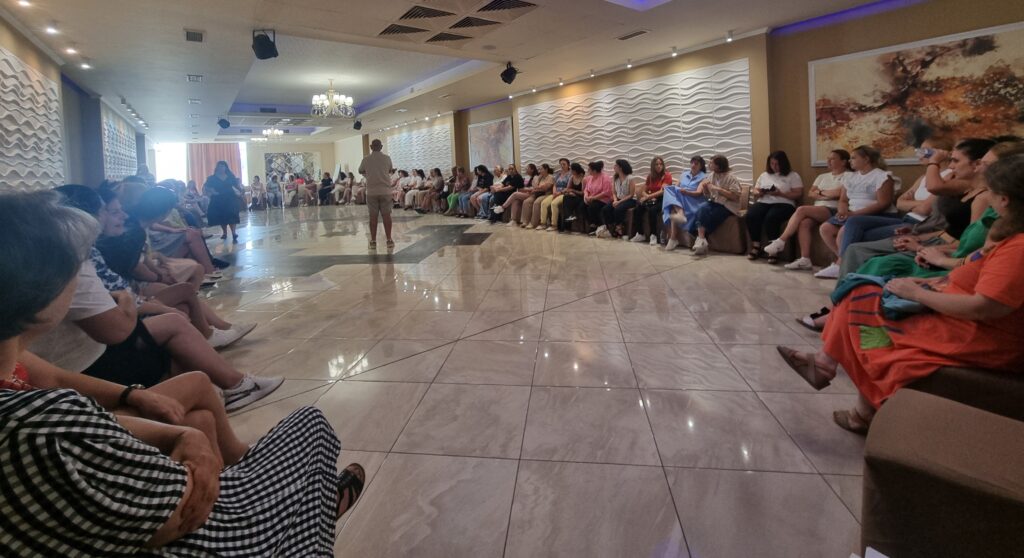
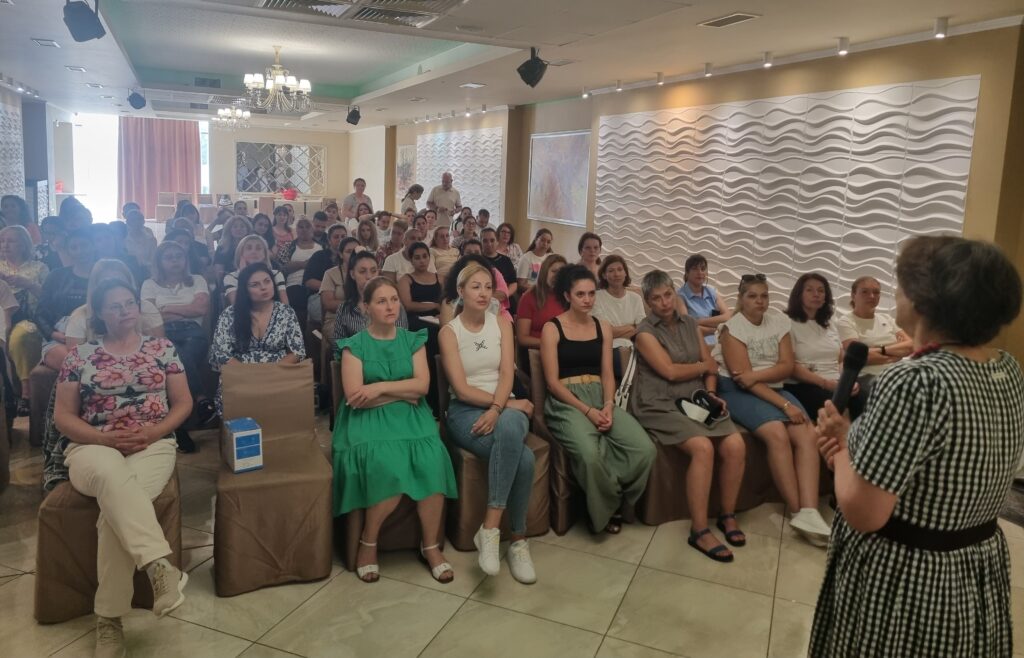
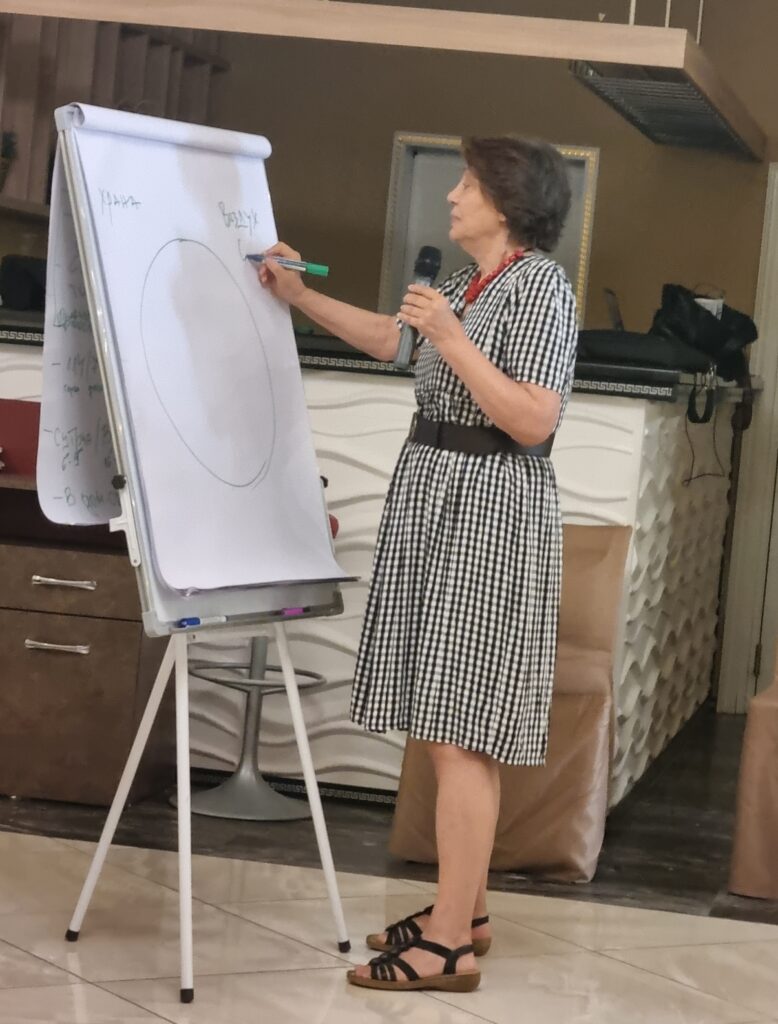
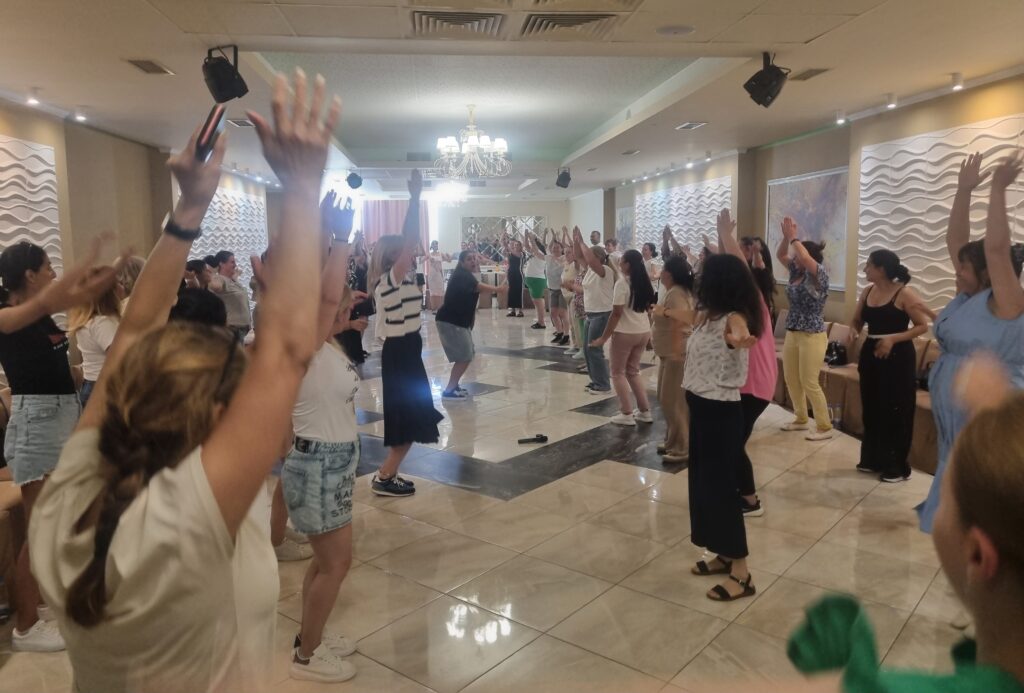
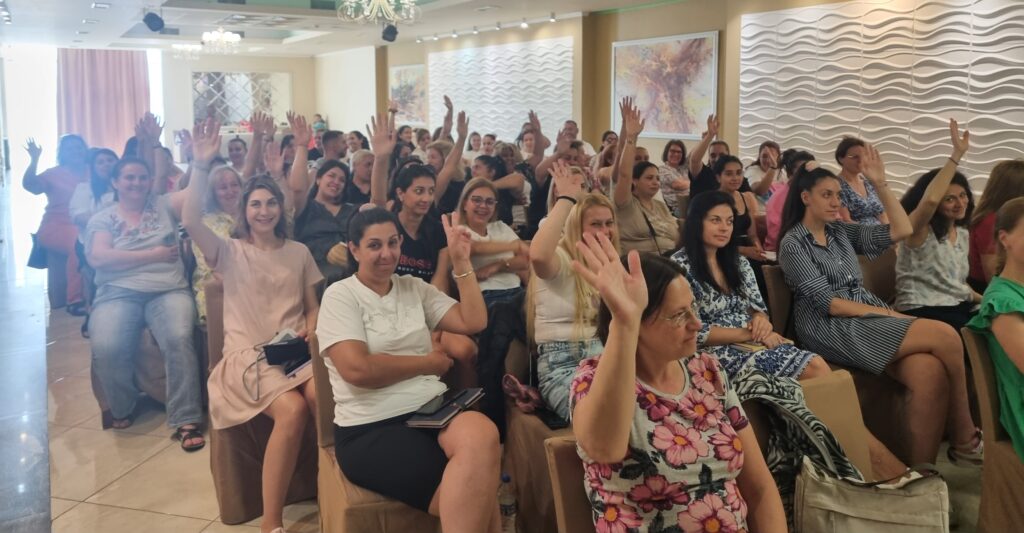
In Sofia, Samokov and Kyustendil, HESED organized the regular annual meeting with
professionals and field workers, focusing on healthy lifestyles, the early detection of health
problems, and timely intervention. More than 70 participants attended the session titled “5 x 8
Every Day”, presented by Dr. Elena Kabakchieva. The key messages included:
- The 8 most important rules for healthy nutrition:
- the secret is in the balanced plate; quality instead of quantity;
- sugar kills us;
- salt is vital, but should be limited;
- “One who doesn’t eat vegetables – Will not grow big”;
- fruits should be berries;
- more fish and proteins;
- good fats are not our enemy:)
- 8000 steps for tone and strength3. 8 glasses of water for hydration and vitality
- 8 hours of sleep for recovery and concentration
- 8 hugs for immunity and good mood
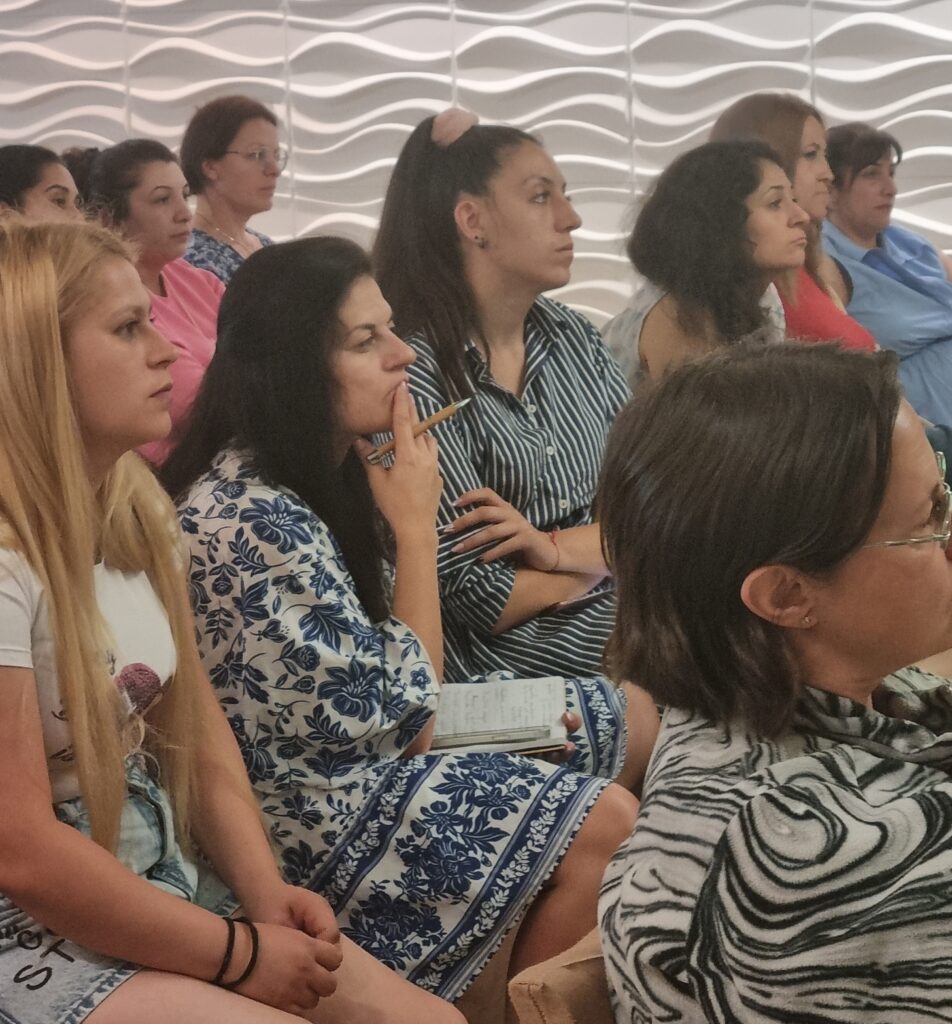
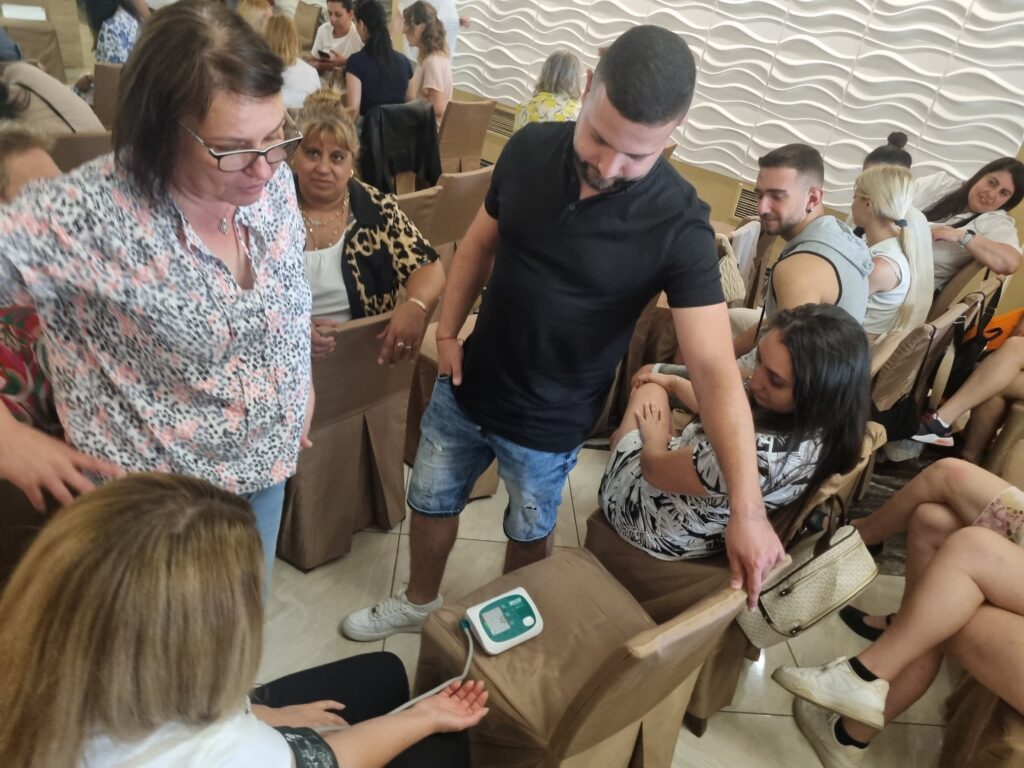
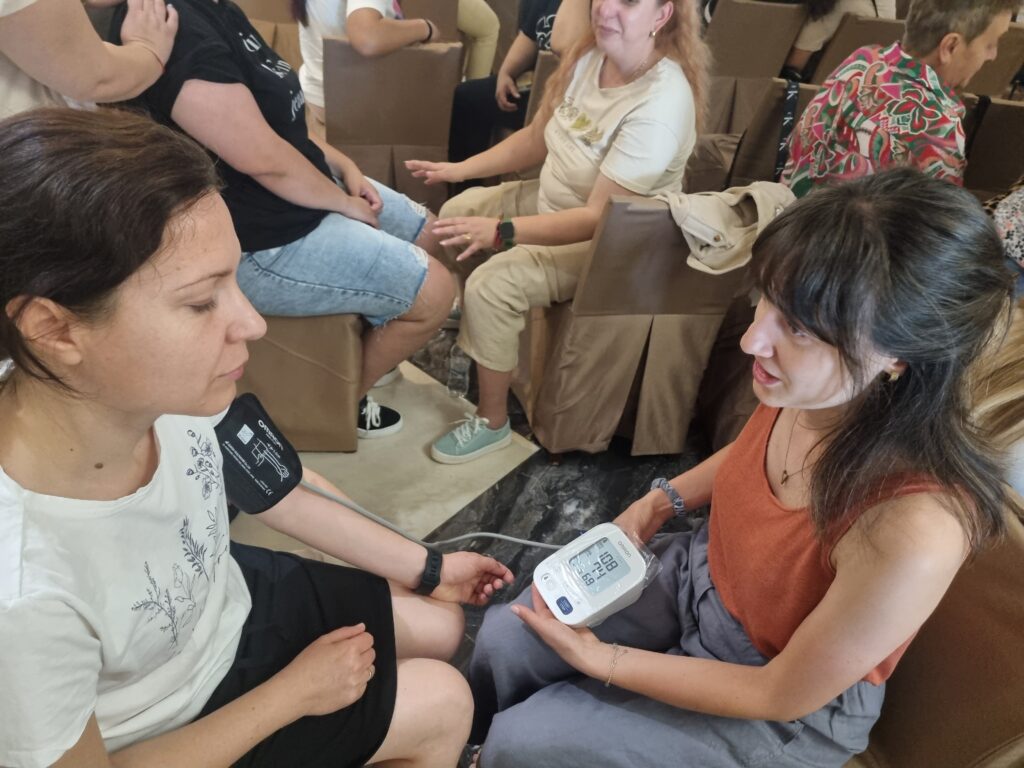
The event also included a practical workshop, where participants measured each other’s blood
pressure, corrected their technique, and practiced accurate measurements to be used later in
their outreach work.
At the end of the meeting, each group received an assignment: to design a plan for improving their
healthy habits at home and in their workplace. The goal is to present the results at the next annual
meeting, showing how the ShowUp4Health approach can be put into practice.
Original article: https://hesed.bg/en/news/5-by-8-every-day-showup4health/
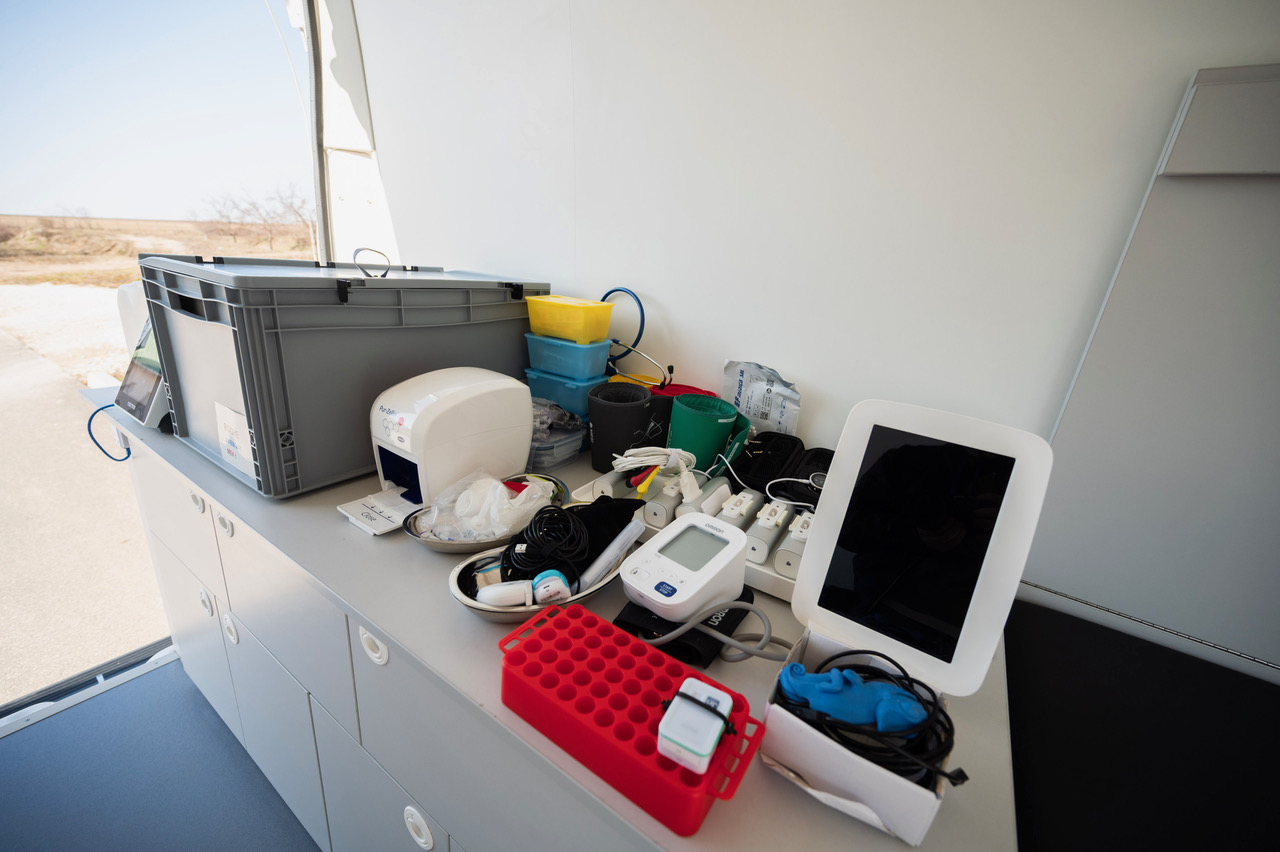
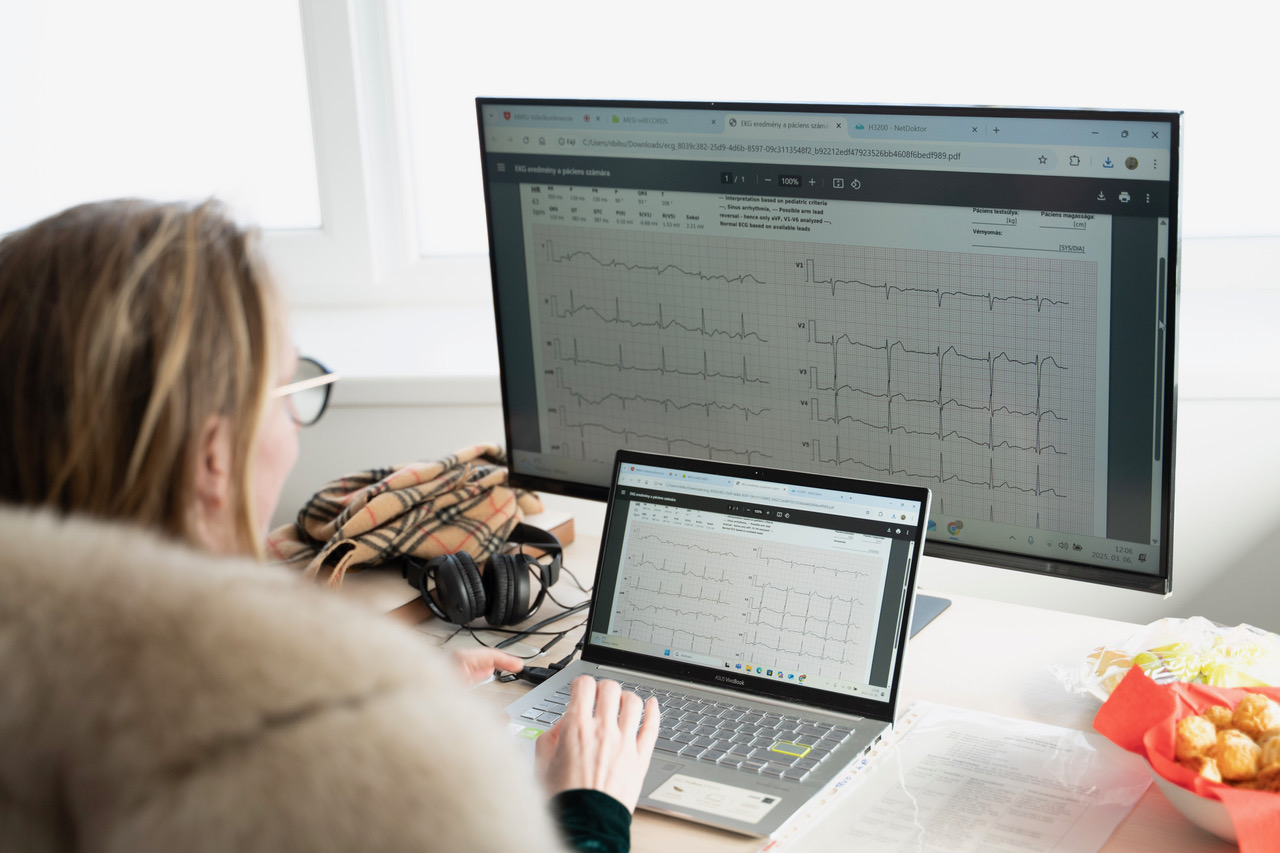
Starting in May, the HCSOM pilots of the S4H project have entered a new phase with the inclusion of telemedicine appointment measurements. The pilot actions are built on three pillars: education, testing of innovative care models, and patient follow-up. As part of this expansion, we have begun collecting data and testing tools for non-communicable disease (NCD) screening and care in participating municipalities.
This was the second anniversary of the telemedicine programme, and to mark the occasion, we launched our pilot activities with a high-quality professional training course as part of the S4H project: On 6 March, to mark the second anniversary of the Maltese Charity Service’s telemedicine-based health programme in catch-up settlements, we held an accredited training course in Bicskén as part of the Hungarian medical training system.
More than 60 doctors participated in the comprehensive one-day training course, and we are already working on its continuation due to the many positive responses we received.
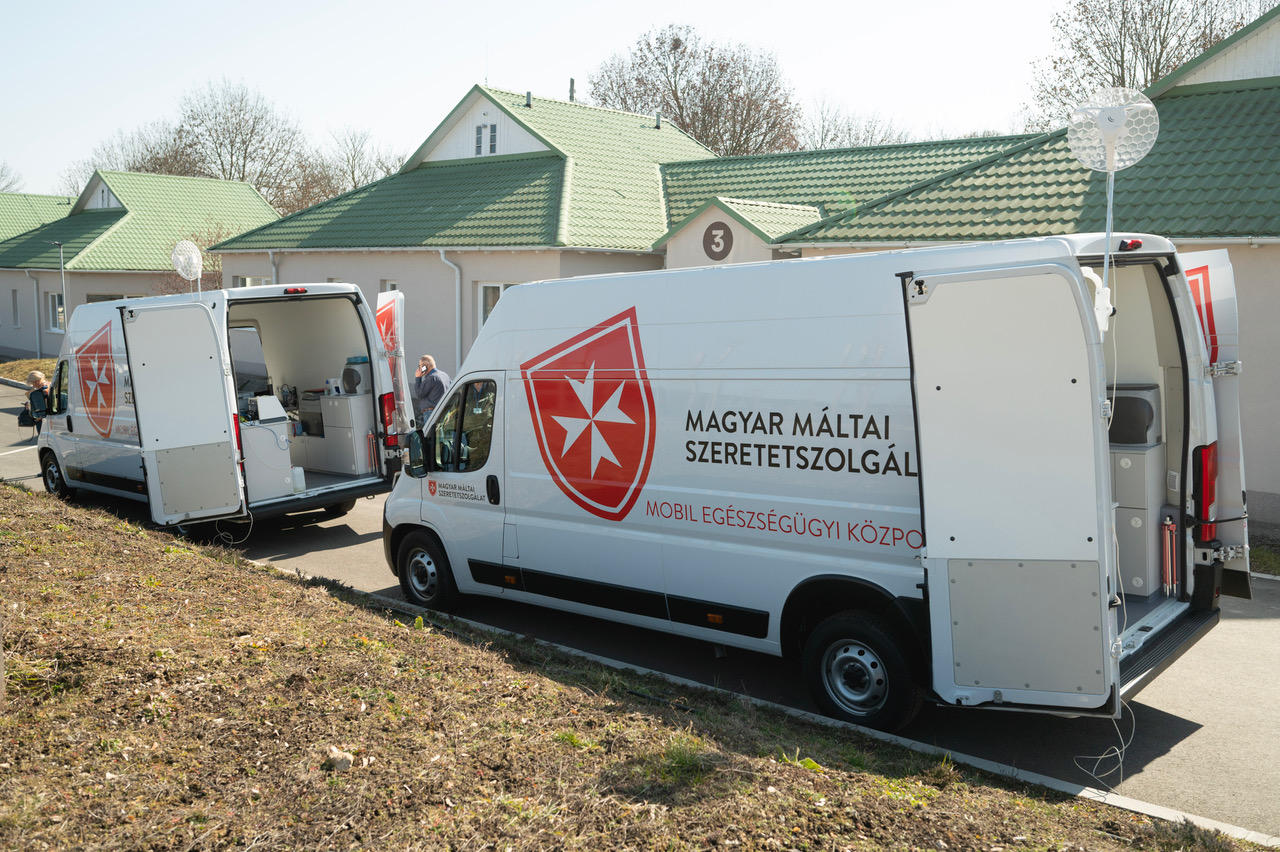
The Family Medicine Clinic „InterFamily” is successfully running a special pilot project within the framwork of the SHOWUp4Health Project in Uzhgorod, aimed at supporting the health of internally displaced people (IDPs). The initiative focuses on early screening for non-communicable diseases (NCDs), such as cardiovascular conditions, diabetes, and mental health disorders.
A Three-Part Approach to Better Health
This project is built on three main pillars. Firstly, InterFamily delivers targeted training sessions (2-3 hours) for doctors, nurses, and clinic staff. T hese sessions aim to equip healthcare professionals with the skills to:
- Educate patients and plan NCD screenings
- Manage patients diagnosed with chronic conditions
- Provide rehabilitation support after major health events, such as strokes or heart attacks
Tacking Hidden Mental Health Challenges
The InterFamily team has observed that many IDPs tend to report physical symptoms that may mask underlying mental health issues, such as anxiety or depression. In response:
- Specialised screening tools and communication techniques have been integrated into training
- A support network enables doctors to consult mentors and mental health specialists
- Patients have access to free psychological support from family doctors, psychologists, and psychiatrists, funded through a dedicated grant
Leveraging Digital Tools to Enhance Care
A key innovation in the project is the use of a web-based tool:
- CheckMe – A digital health advisor that assists healthcare professionals in planning screenings for hidden diseases and provides personalised health recommendations. This tool is particularly valuable when working with IDPs.
Backed by the SHOWUP4Health Grant
The SHOWUP4Health grant supports a multidisciplinary team of seven healthcare professionals, including:
- Family medicine experts Team
- A cardiologist
- An endocrinologist
- A psychiatrist
- A team of psychologists
- Family nurses
- A mobile unit providing care for elderly residents in nursing homes
Community Engagement and Continuous Evaluation
The project is implemented in partnership with local NGOs, camp leaders, and community stakeholders to ensure accessible and coordinated service provision. To monitor and improve its effectiveness, the team:
- Tracks the number of screenings conducted before and after training
- Collects feedback from healthcare personnel
- Assesses how effectively new skills are applied
- Reviews progress regularly to identify areas for improvement
Through the integration of training, digital innovation, specialist support, and strong community partnerships, “InterFamily” aims to strengthen healthcare services for displaced populations, enhance effectiveness and sustainability, and ensure long-term impact.
The project was presented internationally at the 100th EGPRN Conference of Family Physicians in Gothenburg, Sweden.
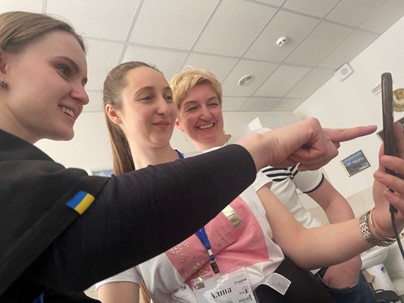
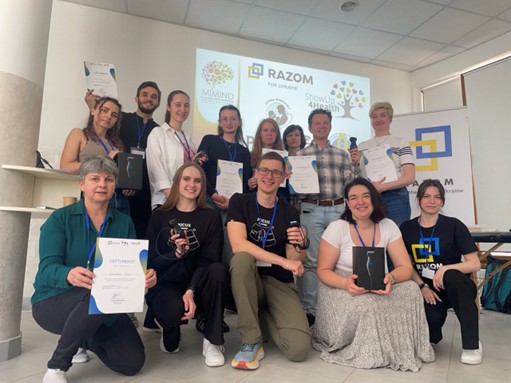
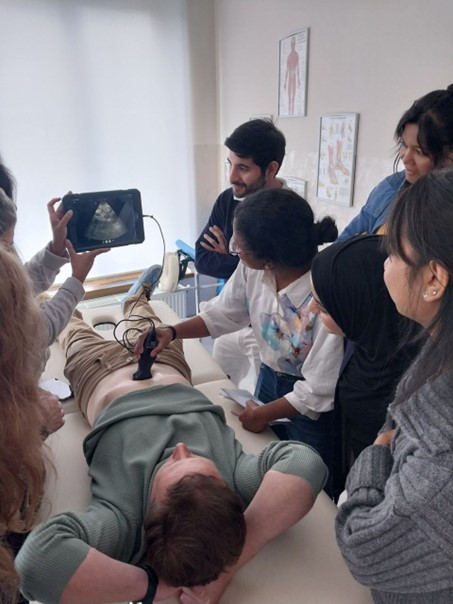
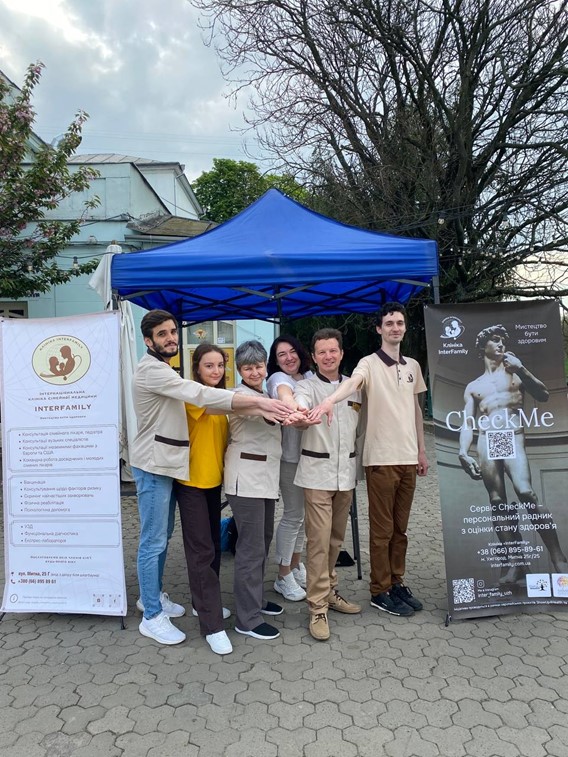
On 29 April 2025, in the very heart of Uzhhorod — Teatralna Square — a warm and truly meaningful open-air event took place, dedicated to one of life’s greatest treasures: our health.
The event was organised by the medical team of the InterFamily Clinic, in collaboration with faculty members, interns, and students from the Department of Family Medicine and Outpatient Care at the Faculty of Medicine No. 2, Uzhhorod National University (UzhNU). The aim was to raise awareness of preventive healthcare and to encourage responsible attitudes towards personal well-being.
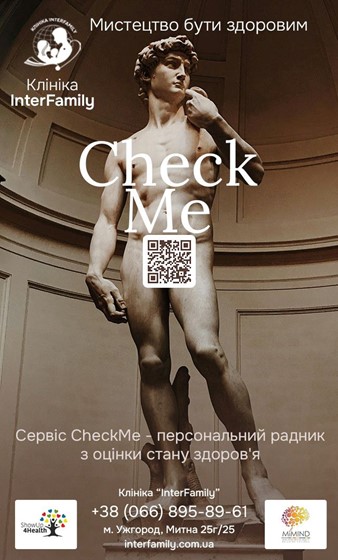
As part of the event, the team introduced CheckMe — an innovative digital tool designed to help individuals create a personalised, evidence-based preventive care plan. Based on a person’s age, gender, lifestyle, and medical history, CheckMe generates tailored recommendations for screenings, vaccinations, and other preventive measures aligned with global clinical guidelines.
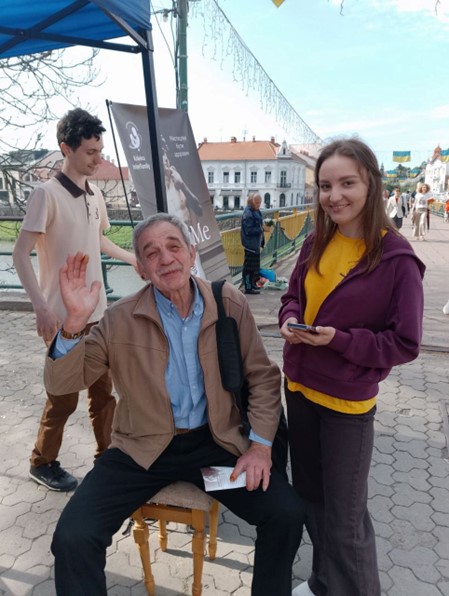
Throughout the day, residents of Uzhhorod had the opportunity to:
- receive free consultations from healthcare professionals
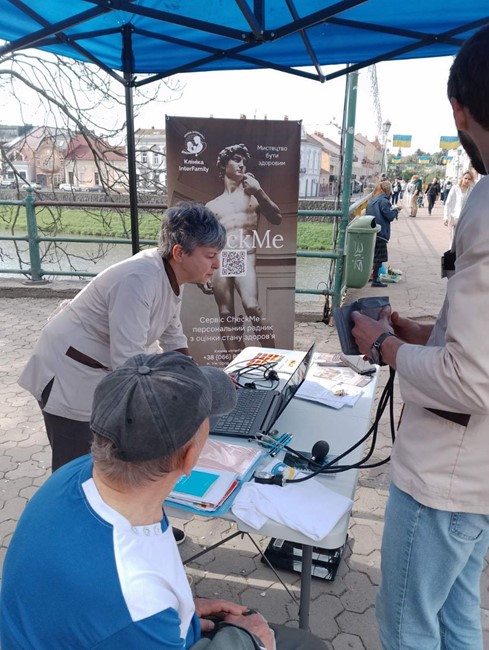
- undergo basic health screenings (blood pressure, blood glucose levels, body mass index)
- learn about their personal risk factors
- receive guidance on healthy lifestyle practices
- explore educational materials on vaccination, cardiovascular disease prevention, diabetes, and cancer screening
Special attention was given to different age groups — including young adults, middle-aged individuals, and older people — with a particular focus on vulnerable internally displaced persons (IDPs). The organisers emphasised that prevention is not merely about early diagnosis; it is a proactive step towards a longer, healthier life.
CheckMe is about care. About awareness. And about science working for people.
We extend our sincere thanks to everyone who took part — the doctors, interns, students, and, most importantly, the residents of Uzhhorod who stopped by, asked questions, listened, and took a step towards better health. Together, we are helping to build a culture of health-conscious living.
In the previous months, HESED team was very busy. We had intensive internal discussions on the pilot details; we had to design and elaborate the primary documentation and procedures for prevention and screening; we had meetings with crucial stakeholders to establish the local pathways for treatment and follow-up of NCD.
With the start of the spring, we give start to the health project and activities!
Now the health outreach workers are recruited and selected; their training has started and will continue with learning by doing; and their outreach work is scheduled and put into routine.
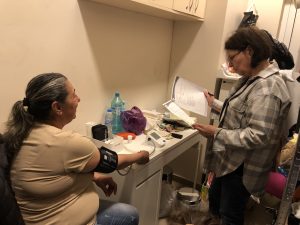
When meeting people, the outreach workers fill in a special screening questionnaire and measure the waist and the blood pressure of the person. Then the results are calculated and the person is consulted about the possible risks and the next steps he/she should take. The outreach workers pay special attention to the health insurance status of their clients and motivate them to visit their GP more regularly, if they have one. If the person is uninsured and does not have a GP, s/he is referred to other medical services offered by HESED in the neighborhood free of charge.
For a period of less than month when the health outreach activities are available in the Roma community, more than 70 people participated in the screening and many of them received additional support, consultations and medical attention.
HESED marked the World Hypertension Day
To promote the World Hypertension Day, HESED team decided to support Roma people to join the massive campaign of Sofia Municipality for preventive cardiological check-ups free of charge. The Roma community was informed about this possibility through special post in social media channels.
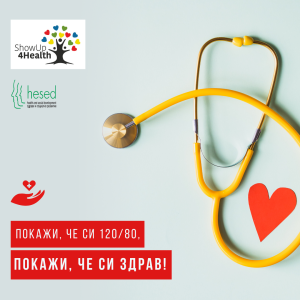
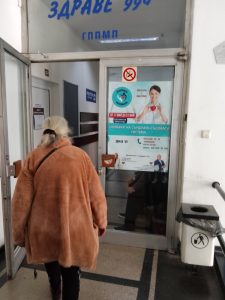
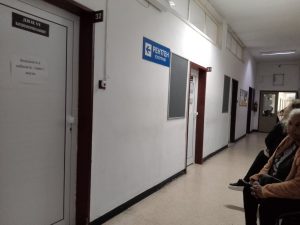
In the period between 17 and 31 May 2025 the team of HESED works actively to make appointments for Roma people in need of cardiological consultation. The examinations are free but available by appointment only at a selected medical facility. Cardiologists perform a clinical examination, as well as an electrocardiogram (ECG) and echocardiography (EchoCG), if indicated.
As the medical centres are located out of the Roma neighborhoods, it is usually very difficult for many Roma people to make the appointment by themselves and then to reach the place. And here come to help the HESED outreach workers who can accompany those people most in need.
Many Roma people have never undertaken any prophylaxis or screening. Big part of them have high blood pressure but they do not know about it or have no resources to control their condition by themselves and need support.
For just one week HESED team made more than 45 appointments for cardiological examinations. Many people were accompanied by HESED outreach and social workers. The needs are big and the numbers are increasing.